As tech conglomerates rush to expand artificial intelligence data centers worldwide, surging cooling demands threaten municipal water supplies, sparking acute environmental conflicts and urgent calls for regulation.
Key Takeaways
- The exponential growth of generative AI training and inference places an unprecedented burden on local freshwater supplies.
- Communities living near massive data center hubs face direct threats to their water security and quality, leading to intense local pushback.
- Environmental groups and policy experts are strongly pushing governments to implement strict regulations and development moratoria on AI infrastructure.
—
The Thirst Behind the Screen
“”The sheer scale of water consumption required to keep next-generation processing units cool has transformed artificial intelligence from a purely digital phenomenon into a heavy industrial user of natural resources.” — Environmental Systems Expert”
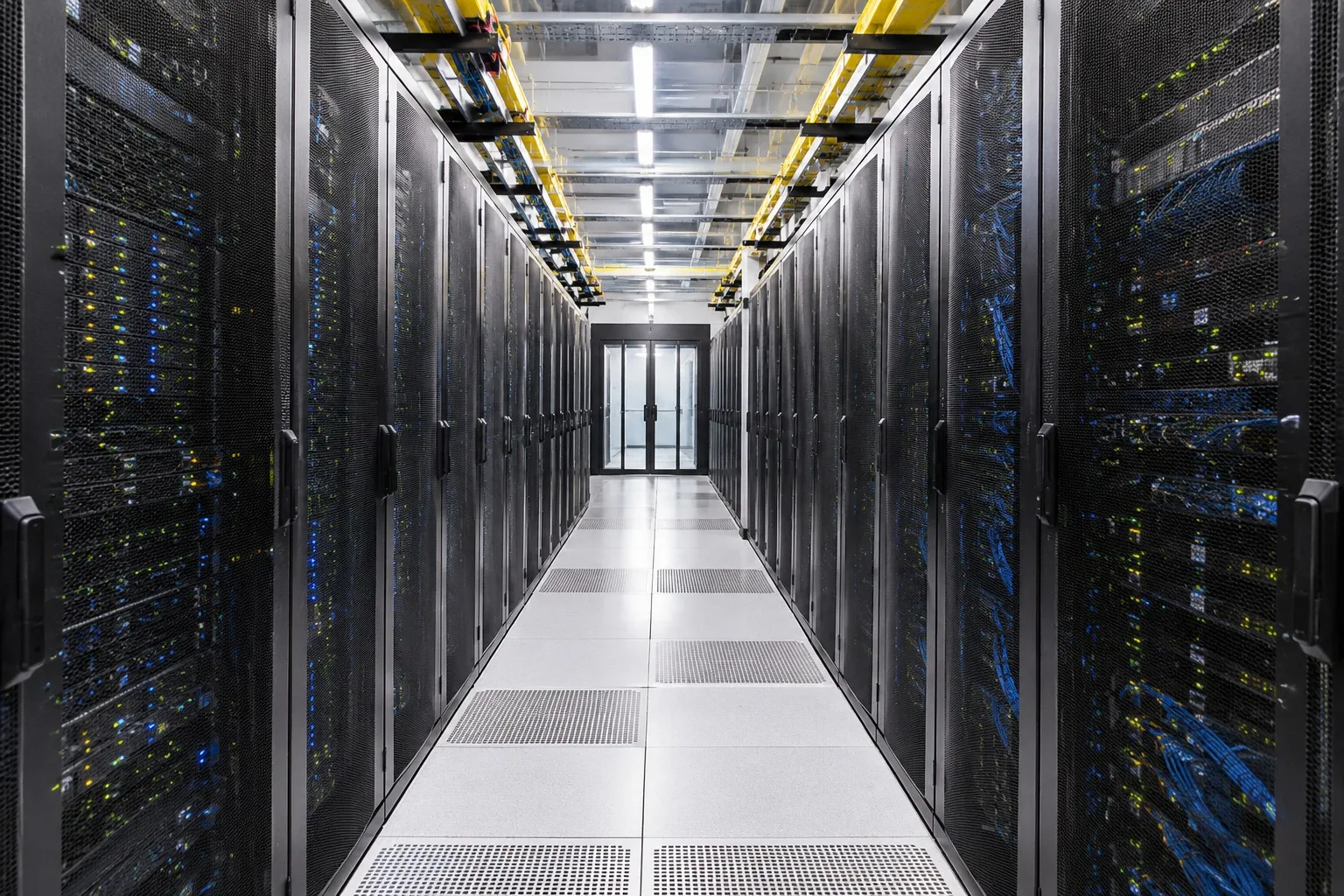
To the average user, artificial intelligence exists as an ethereal utility—an invisible engine that drafts emails, generates art, and solves complex coding problems in milliseconds. However, the physical reality powering this revolution is deeply material, anchored in massive, humming warehouses packed with high-density silicon. As global technology conglomerates race to build out the physical infrastructure necessary to support advanced AI models, a quiet ecological crisis is unfolding over a resource far more basic than electricity: freshwater.
The primary driver of this environmental footprint is the immense thermal energy generated by high-performance graphics processing units (GPUs). Unlike traditional cloud storage systems, which can often be cooled using standard air conditioning, the continuous, high-density workloads of generative AI training and inference require massive amounts of liquid cooling to prevent hardware failure. This has turned AI data centers into heavy consumers of local municipal water systems, which rely on evaporation-based cooling towers to dissipate heat.
The public and scientific community are beginning to reckon with the scale of this consumption. In an analysis published by CNN Indonesia under the title ‘Benarkah Data Center AI Bakal Sedot Habis Air?’, researchers and observers have begun openly debating whether the rapid, unchecked expansion of AI data centers will eventually drain local water tables completely. Far from being a theoretical concern, this resource strain is already manifesting in regional infrastructure hubs. As detailed in a report by Kompas.com titled ‘Ketika AI “Haus” Air Bersih, Catatan Pengingat dari Data Center Jatiluhur’, the high water demands of these facilities serve as an urgent warning sign of how digital expansion directly collides with local ecological survival.
—
Quantifying the Computational Thirst
DATA METRIC: AI Cooling Intensity Factor: Significantly higher per transaction than standard cloud storage
Quantifying the exact water footprint of artificial intelligence is an incredibly complex task, largely because the consumption occurs at multiple stages of the supply chain. First, there is direct water consumption, which is the water evaporated directly at the data center site to cool the servers. Second, there is indirect water consumption, which refers to the vast amounts of water used by power plants to generate the massive amounts of electricity that these data centers consume day and night.
According to research highlighted by Kompas.com in their article ‘Benarkah AI Boros Air? Riset Ungkap Masalahnya Lebih Rumit’, analyzing the resource drain of AI is not as simple as measuring a single pipe. The research reveals that the problem is highly layered, involving seasonal temperature fluctuations, local grid efficiency, and the specific architecture of the neural networks being trained. Standard cloud transactions require relatively low compute times, but training a single state-of-the-art large language model can require millions of liters of water over several weeks, depending on the cooling technology utilized.
Academic experts are also sounding the alarm on how this computational thirst impacts domestic water security. In a study published by the Universitas Muhammadiyah Sidoarjo, titled ‘Benarkah AI Menguras Jatah Air Bersih? Ini Kata Pakar Umsida’, experts warn that the rapid integration of AI infrastructure without strict local resource planning can directly compromise municipal clean water allocations. The academic analysis emphasizes that because data centers must run continuously, their demand for water remains constant, even during seasonal droughts when local communities are forced to ration their own water use.
—
On the Frontlines: Communities Speak Out
“”Kisah mereka yang hidup di dekat pusat data raksasa – ‘Saya tak bisa minum airnya’” — Local Resident Testimony via BBC”
The macro-level statistics of data center water consumption translate to immediate, life-altering consequences for the families and farmers living in the shadow of these massive industrial complexes. As technology companies seek out cheap land and stable power grids, they frequently establish data center hubs in suburban and rural areas. This puts them in direct competition with local agricultural sectors and municipal residential zones for shared aquifers.
The deep human toll of this conflict was documented in a poignant investigative report by the BBC, titled ‘Lingkungan: Kisah mereka yang hidup di dekat pusat data raksasa – ‘Saya tak bisa minum airnya’’. The report chronicles the lived experiences of communities adjacent to giant data centers, where residents express profound anxiety and anger over the degradation of their local environment. Many of these communities have seen their local water tables drop significantly, leading to diminished water quality and, in some extreme cases, rendering their household tap water completely undrinkable.
This dynamic has triggered a wave of community resistance and a sense of deep injustice. While affluent urban centers and global corporations reap the efficiency benefits of artificial intelligence, the physical, environmental, and health costs are borne by marginalized or rural populations living near the physical infrastructure. The growing sentiment among these communities is that they are being forced to sacrifice their most fundamental human right—access to clean drinking water—to fuel the computational demands of the global tech industry.
—
Infrastructure Gold Rush and Environmental Reality
The rapid expansion of artificial intelligence has touched off a commercial land grab, with major investment funds and traditional corporate groups pivoting rapidly toward digital infrastructure. This commercial phenomenon is explored in depth by Kompas.id in the article ‘When Conglomerates Target AI Infrastructure Business’. The report outlines how powerful corporate conglomerates are aggressively positioning themselves to build, own, and operate the data centers that house AI hardware, viewing the sector as a highly lucrative asset class.
However, this corporate gold rush is increasingly viewed by environmentalists as a ticking ecological clock. This tension is captured perfectly in another critical piece by Kompas.id, titled ‘Ledakan Pusat Data, antara Peluang dan Bom Waktu’. The publication highlights how the explosive, unregulated growth of data center infrastructure represents a dual reality: on one hand, it offers a major economic opportunity for digital transformation; on the other, it behaves like an environmental time bomb, threatens to overwhelm power grids, and depletes local water systems beyond repair.
In an attempt to manage public backlash, many technology firms have heavily marketed their projects under the banner of sustainability, promising “green” data centers that run on renewable energy and utilize advanced cooling. Yet, the physical reality of these facilities often contradicts the marketing narrative. As investigated by Kompas.id in ‘The Water Footprint Behind Green Data Centers’, even facilities that achieve high energy-efficiency ratings or utilize solar power can still harbor massive, hidden freshwater footprints. True sustainability requires looking beyond carbon emissions to account for the physical gallons of water extracted from local watersheds.
—
The Regulatory Vacuum and Calls for Moratorium
“”Ekspansi Data Center AI Mengancam Sumber Air Masyarakat, Pemerintah Harus Berlakukan Moratorium Pembangunan” — WALHI Policy Statement”
DATA METRIC: Regulatory Status: Urgent Moratorium Requested
The unprecedented speed at which the AI infrastructure boom has occurred has left local, national, and international regulatory bodies struggling to keep pace. Most existing environmental protection laws and municipal zoning codes were drafted long before the advent of high-density AI computing, leaving a dangerous regulatory vacuum that allows developers to secure massive water and power permits with minimal public scrutiny.
In response to this legislative gap, policy groups are urging governments to take immediate action. According to reports from ANTARA News, the Institute for Essential Services Reform (IESR) has stated that governments must urgently issue comprehensive, modern regulations specifically tailored to manage the environmental footprint of data centers. This demand for accelerated legislative action is echoed in a report by Kompas.com, titled ‘Pemerintah Diminta Percepat Penerbitan Regulasi Data Center AI’, which details how civil society is calling on policymakers to establish strict legal frameworks to govern where and how these facilities can operate.
As regional water crises intensify, some environmental advocacy groups are arguing that incremental regulation is no longer enough. The Indonesian Forum for the Environment (WALHI) released a major policy statement and report titled ‘Ekspansi Data Center AI Mengancam Sumber Air Masyarakat, Pemerintah Harus Berlakukan Moratorium Pembangunan’. WALHI argues that because the expansion of AI data centers poses an active, immediate threat to public water resources, governments must implement a complete moratorium on the construction of new facilities. Such a freeze would remain in place until comprehensive environmental impact studies are completed and strict, binding community protections are enacted.
—
Balancing Innovation and Resource Preservation
The tension between technological progress and resource preservation is rapidly approaching a critical tipping point. While the benefits of artificial intelligence in scientific research, healthcare, and economic productivity are undeniable, the physical foundation upon which this technology is built cannot be allowed to destroy the ecological systems that sustain human life. Achieving a sustainable balance will require a fundamental shift in how the tech industry, governments, and society view digital infrastructure.
As regional case studies show, the warning signs are clear. The lessons highlighted by Kompas.com in ‘Ketika AI “Haus” Air Bersih, Catatan Pengingat dari Data Center Jatiluhur’ must be treated as a universal warning. Tech companies must be held to strict standards of transparency, requiring them to publicly disclose their exact water metrics and transition away from evaporative cooling toward closed-loop systems that do not deplete local aquifers.
Ultimately, the true cost of our digital future cannot be measured solely in computational power, corporate valuations, or processed queries. It must be measured by our ability to safeguard the vital natural resources of the communities that host these physical systems.
“”Without binding accountability and transparent water accounting, the hidden cost of our digital future will be paid directly by the communities least equipped to bear it.” — Senior Investigative Editor”
Leave a Reply